
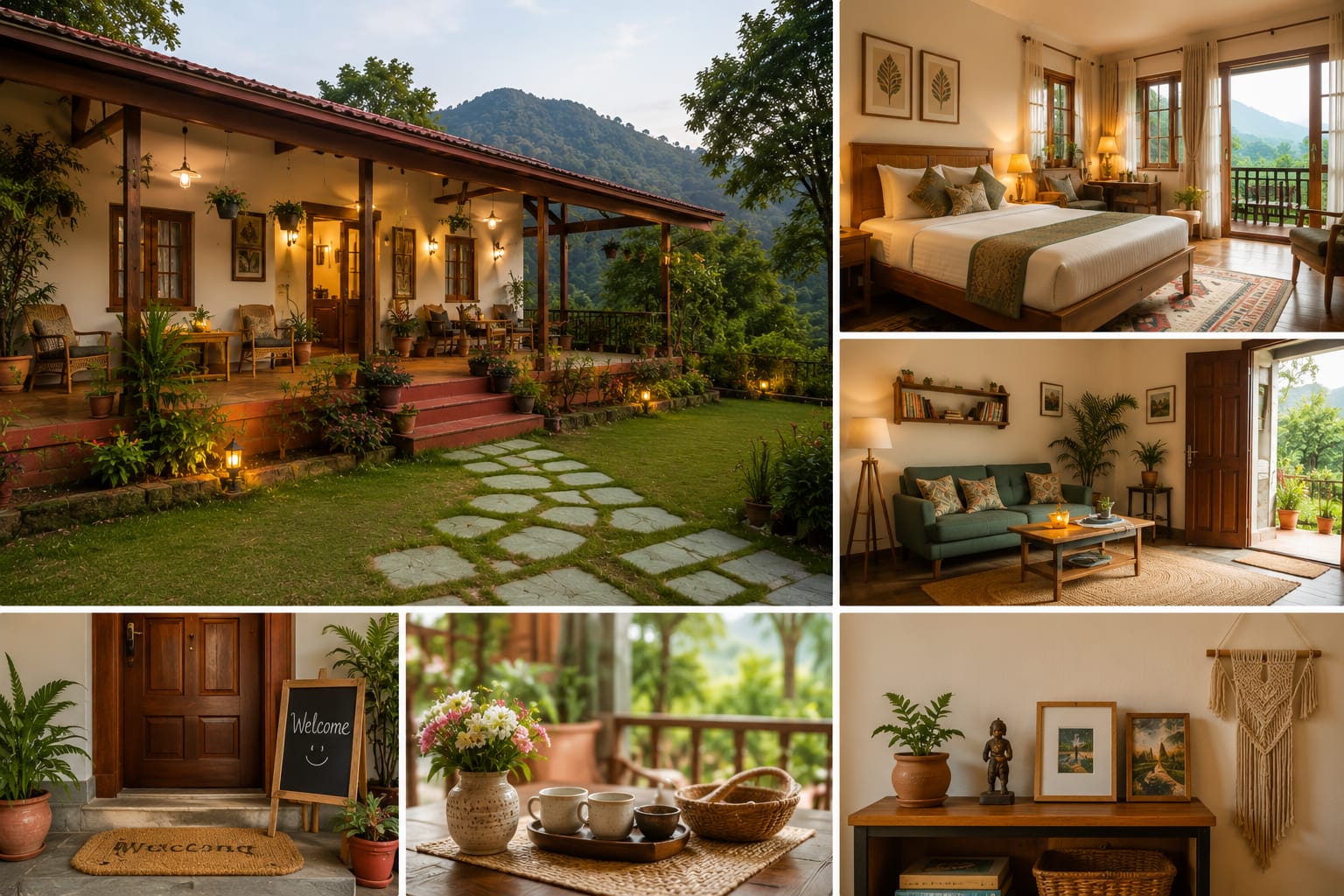
A spare room, a second home or an unused property can become more than an empty space. With the right preparation, it can become a homestay where travellers experience a destination through a local home.
The opportunity is worth considering. India recorded 2.95 billion domestic tourist visits in 2024, up 17.5% from the previous year, according to the Ministry of Tourism. Tourism also supported around 84.63 million jobs in 2023–24, including direct and indirect employment.
For homeowners, that growing travel market creates an opportunity to put an unused part of their property to work. But hosting is not simply about putting a room online. Here's what you need to know before getting started.
Check Whether Your Property Can Be Used as a Homestay
Start with the rules, not the photographs.
Homestay requirements differ by state and local authority. You may need registration, permissions, safety measures and specific documentation before welcoming paying guests.
For example, Uttarakhand has its own homestay registration system and policy. Its current online declaration states that, under a government order issued on 5 June 2026, homestays are permitted only in rural areas and for permanent residents of Uttarakhand.
The state's published eligibility criteria also specify that the property should be residential, the owner or leaseholder should reside there with their family, and one to six rooms may be offered to visitors under the scheme.
If your property is elsewhere, check the rules applicable to that location before listing it.
Decide Which Part of Your Home You Will Offer
You do not need to turn your entire house into accommodation.
Start by deciding what guests will have access to. This could be one private bedroom and bathroom, several rooms or a separate portion of the property.
Think about privacy from both sides. Guests should know which spaces are theirs and which areas remain private for the family.
A clear arrangement makes everyday hosting much easier.
Get the Basics Right
Before thinking about décor, make the space comfortable and functional.
Check the mattress, linen, bathroom fittings, lighting, ventilation and hot-water supply. Depending on the location, heating, cooling, Wi-Fi and power backup may also matter.
Cleanliness deserves particular attention. A beautiful room cannot make up for dusty surfaces, stained linen or an untidy bathroom.
You should also provide basic information about check-in, house rules, parking and emergency contacts.
Add What Makes Your Home Different
A homestay does not need to look like a hotel.
Its strength can be the things that are genuinely local. A home-cooked breakfast, a garden, a traditional room, a terrace with a view or your knowledge of the neighbourhood can give guests something they cannot get from a standard room.
Uttarakhand Tourism itself describes homestays as an opportunity for guests and hosts to exchange knowledge about local cultures, regions and cuisines.
That personal element is often what turns an overnight stay into a memorable one.
Set a Price That Makes Sense
Look at similar properties in your area before deciding your nightly rate.
Consider your location, room size, amenities, meals, seasonal demand and operating costs. Remember to account for electricity, laundry, cleaning, maintenance and supplies.
Do not underprice simply to attract the first few bookings. Your rate needs to make hosting worthwhile over the long term.
Take Honest, Useful Photos
Your listing photographs should answer the questions a guest would normally ask.
Show the bedroom, bathroom, common areas, entrance, outdoor spaces and views. If there are stairs, shared areas or accessibility limitations, mention them clearly.
Avoid making the property look larger or more luxurious than it is. Accurate expectations usually lead to better guest experiences and more useful reviews.
Make Your Property Easy to Discover
Even a well-prepared home needs visibility.
This is where a platform such as GharOnGo can help property owners showcase their homes to travellers actively looking for homestays. You can present your property's location, amenities and unique features in one place instead of relying only on personal networks.
For new hosts, being listed on a dedicated platform can also make the first step into hosting feel more structured.
Hosting Is About More Than a Room
A successful homestay combines a suitable property, clear expectations and thoughtful hospitality. You do not need to create a luxury resort. You need to offer a clean, comfortable and honestly presented home, along with the local touch that makes staying with a host different.
If your property is suitable and you are ready to welcome travellers, visit GharOnGo to explore how you can list your home and start your hosting journey.
Frequently Asked Questions
1. Can I turn my home into a homestay?
It depends on your property's location and the local rules that apply. Check the relevant tourism department's registration and eligibility requirements before accepting guests.
2. What do I need to prepare before listing my home as a homestay?
Start with a clean, comfortable guest room, a functional bathroom, basic amenities, clear house rules and safe access. Also keep your property documents and required registrations ready.
3. How many rooms can I offer as a homestay?
The permitted number varies by state and local regulations. Some government homestay schemes specify limits on the number of guest rooms, so check the rules applicable to your property.
4. How much should I charge for my homestay?
Compare similar properties in your area and consider your location, room size, amenities, meals, operating costs and seasonal demand before setting your price.
5. How can I list my property as a homestay?
Choose a platform where travellers can discover your property, then provide accurate details, photographs, amenities and pricing. GharOnGo gives property owners a platform to showcase their homes and connect with travellers looking for homestays.